
Leadership Begins and Ends with Respect: 4 Ways My Dojo Teaches Civility at Work
 (c) Full Sail Leadership Development
Incivility has become a daily reality at work. SHRM estimates that people in the U.S. experience more than 220 million acts of incivility each day, with 40% occurring in the workplace. The impact shows up quickly as burnout rises, trust erodes, and companies pay the price through absenteeism and lost productivity.
Facts like these are important, but what they point to is even more critical.
Our workplaces do not just need more training or technique. They need more respect.
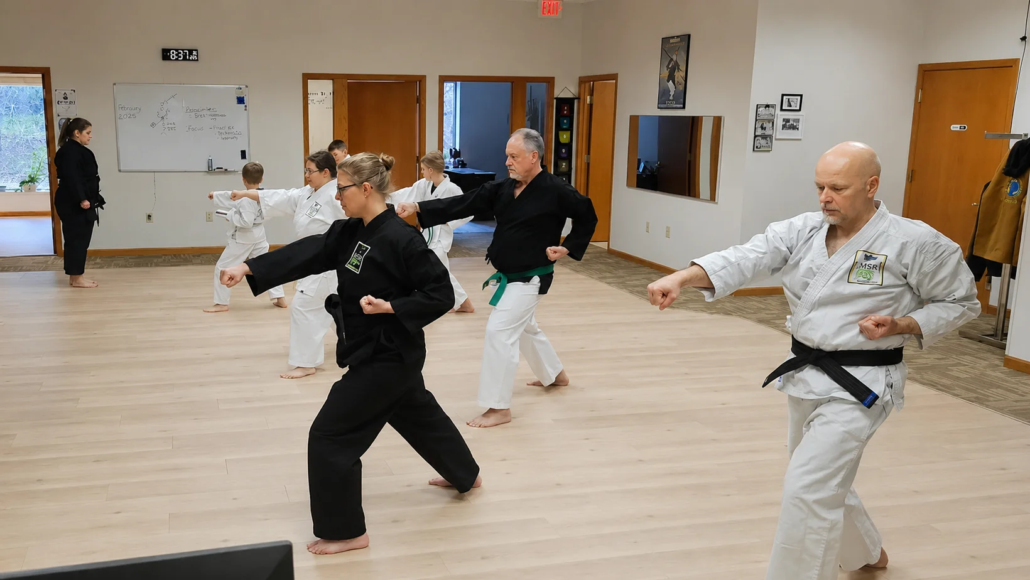
Over the years, I have learned many lessons about leadership on the water. But one of the most meaningful came not from a trip on the water. It came from a simple phrase on the wall of the dojo where I study Shorin Ryu karate:
“Karate begins and ends with respect.”
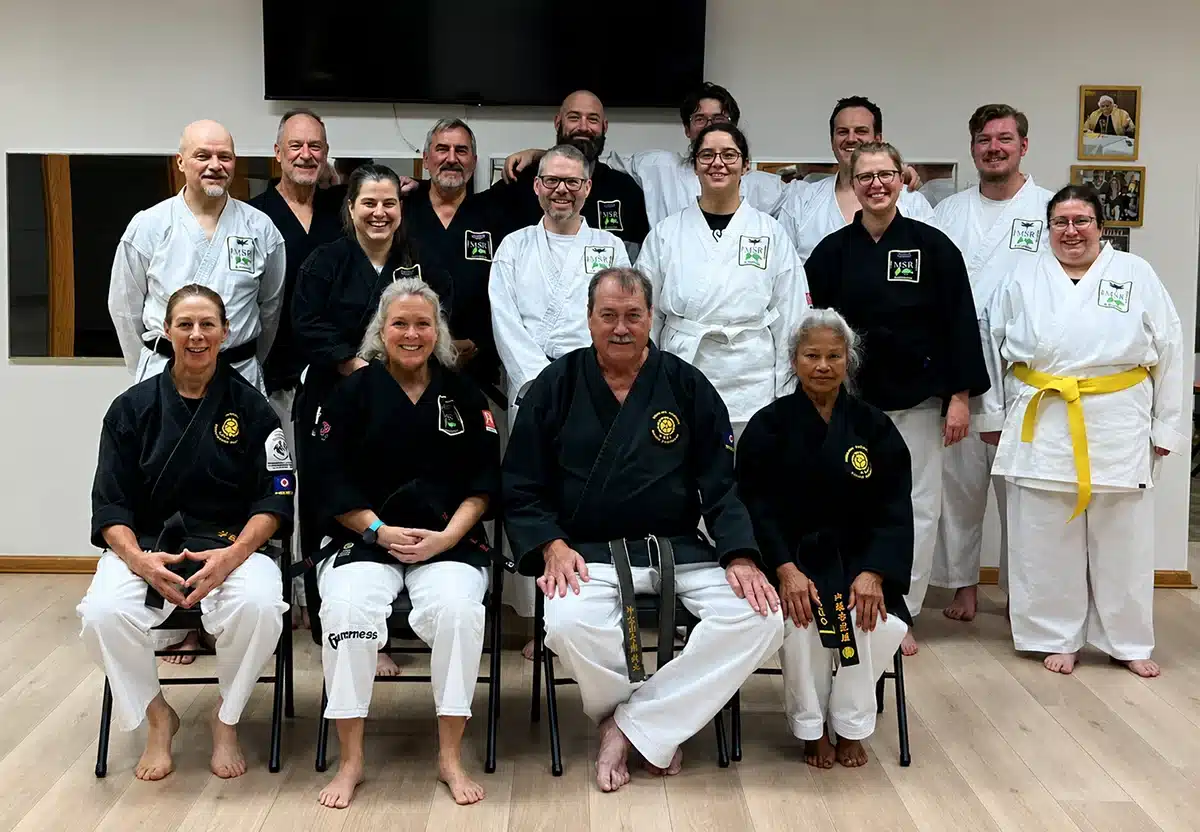
This idea is brought to life every time I train with my instructor, Sensei Morganne McDonald, at Midwest Shorin Ryu and Wellness. Her emphasis on discipline and humility reflects the heart of karate itself, captured in the words:
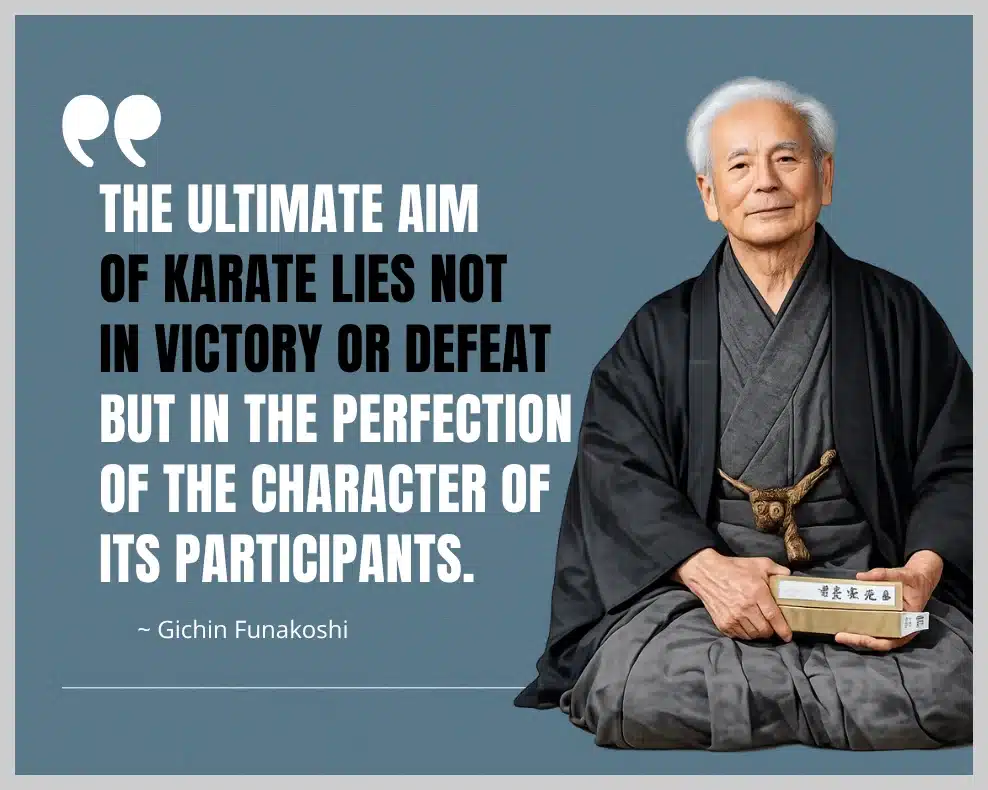
“The ultimate aim of karate lies not in victory or defeat, but in the perfection of the character of its participants.” – Gichin Funakoshi.
This focus on character continues to shape how I think about civility and leadership at work. It invites a deeper look at what respect truly means and why it belongs at the center of how we lead.
The Meaning of Rei: Respect in Action
In karate, the word rei is often translated as “respect,” but it carries a deeper meaning.
Rei is not just a bow at the beginning or end of class.
It is a posture of humility, discipline, and awareness. It is the expectation that you will carry yourself with self-control and treat others with dignity, even in moments of conflict or pressure.
The lessons of Bushido describe rei this way: true warriors have no reason to be cruel.
They do not need to prove their strength. They show courtesy even to their opponents, and they are remembered not only for their skill but for how they carry themselves.
Rei is not only about how we treat others. It is also about the respect we show ourselves.
This inner respect creates steadiness, transparency, and authenticity. It is what allows a leader to respond rather than react, to listen before speaking, and to set a tone that others will follow.
In both karate and leadership, the absence of rei creates disorder.
Without respect, even the most talented teams struggle. Work becomes tense, communication breaks down, and people begin to protect themselves rather than support each other.
Rei brings the opposite effect. It establishes a foundation where trust can grow and where people feel safe enough to contribute, speak honestly, and do their best work.
Turning Discipline Into Leadership
Respect is not a single action in the dojo or the workplace. It is something practiced over time and becomes a steadying force when challenges arise.
In leadership, this kind of discipline shows up in the way we listen, communicate, and handle conflict. It shapes how we carry ourselves when pressure rises and how we treat the people who rely on us.
This closely aligns with the SEAsoning framework we use at Full Sail Leadership Academy. Every strong leader develops three things over time:
- Skills: Respect strengthens everyday leadership skills, including clear communication, attentive listening, and healthy conflict management. These skills are simple in concept, but they require discipline and steady practice.
- Experience: Growth often comes through real moments where a leader must choose patience over reaction, clarity over assumption, and accountability over blame. These experiences shape how leaders respond when the next challenge appears.
- Authentic Attitudes: Respect influences a leader’s character. When leaders value humility and honesty, they create an environment where trust can take root. Teams feel seen, supported, and encouraged to contribute more fully.
When respect shapes a leader’s skills, experience, and attitude, it gives them a sense of steadiness. It allows them to guide their teams without relying on force or control.
4 Ways Leaders Can Practice Rei and Strengthen Civility at Work
Civility at work does not happen by accident. It grows from the small, intentional choices leaders make every day. Rei offers a simple framework for those choices. These four practices help leaders bring respect into ordinary interactions and create a culture where people feel valued and steady.
1. Begin Interactions With Awareness
Respect starts before a single word is spoken. When a leader pauses and considers their tone, body language, and intention, it sets the stage for a more civil and productive conversation. This simple moment of awareness helps prevent reactions driven by stress or frustration.
Starting from a place of calm attention allows leaders to listen more fully and respond with clarity. It also communicates something meaningful to the other person.
It shows that their perspective matters and that the conversation is worth approaching with care.
2. Lead With Calm Authority
Authority does not require force. In both the dojo and the workplace, the most trusted leaders are those who remain steady when circumstances become tense. Calm authority shows confidence without aggression and direction without pressure.
When leaders speak clearly and stay grounded, they create space for others to do the same. People feel safer sharing ideas, asking questions, and admitting when something is unclear.
Calm leadership encourages cooperation rather than fear, strengthening civility at work and keeping teams focused on solutions rather than stress.
3. Model Humility Under Pressure
Humility is one of the clearest expressions of respect.
When leaders are willing to admit mistakes, ask questions, or seek clarification, they show their teams that honesty is more valuable than perfection.
This kind of humility encourages others to be open as well.
Pressure often reveals a leader’s true habits. Choosing humility in difficult moments communicates steadiness and self-control. It also reduces defensiveness within the team.
People feel less afraid of blame and more willing to work together to solve the problem. Over time, this mindset strengthens civility at work and builds trust across the team.
4. End With Gratitude
Gratitude reinforces respect and reminds people that their efforts matter.
When leaders close a conversation, meeting, or project with a sincere acknowledgment of someone’s contribution, it strengthens connection and encourages ongoing civility at work.
This does not require grand statements. A simple thank you, paired with a specific observation about what someone did well, can shift the tone of an entire team.
Over time, gratitude helps people feel seen and valued, motivating them to bring their best to their work and to each other.
Lead With Respect. Build With Character.
Every class in the dojo begins and ends with a bow. It is a simple reminder that humility and gratitude are part of every stage of growth.
Leadership follows the same pattern.
When we start and finish with respect, we create the conditions where people can thrive, and teams can work with steadiness and trust.
At Full Sail Leadership Academy, we help leaders practice this discipline in meaningful, hands-on ways. Through experiential learning on land and on the water, teams learn how respect and connection strengthen both individuals and the organization as a whole.
If you want to strengthen respect and connection on your team, reach out to learn more about our leadership workshops and programs.
 (c) 2020 Full Sail Leadership Academy