
• CALL 414.839.9184
  • Email Tim
Full Sail Leadership Academy
  • Services
    • Leader Development
    • Team Building
    • Speaking Engagements
  • Workshops
  • Get Certified
  • About
  • Blog
  • Contact Us
  • Menu Menu

Tag Archive for: Workplace Respect

Leadership Begins and Ends with Respect: 4 Ways My Dojo Teaches Civility at Work

Leadership Development
leadership respect workplace(c) Full Sail Leadership Development
5 min read

Incivility has become a daily reality at work. SHRM estimates that people in the U.S. experience more than 220 million acts of incivility each day, with 40% occurring in the workplace. The impact shows up quickly as burnout rises, trust erodes, and companies pay the price through absenteeism and lost productivity.

Facts like these are important, but what they point to is even more critical.

Our workplaces do not just need more training or technique. They need more respect.

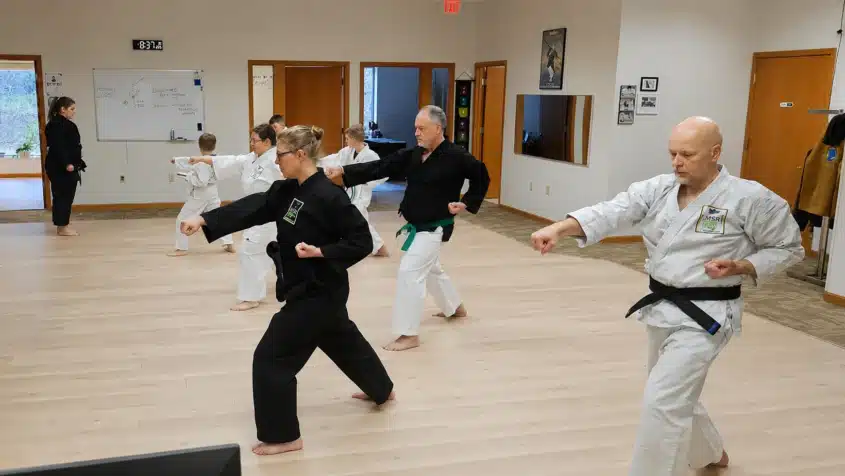
Over the years, I have learned many lessons about leadership on the water. But one of the most meaningful came not from a trip on the water. It came from a simple phrase on the wall of the dojo where I study Shorin Ryu karate:

“Karate begins and ends with respect.”

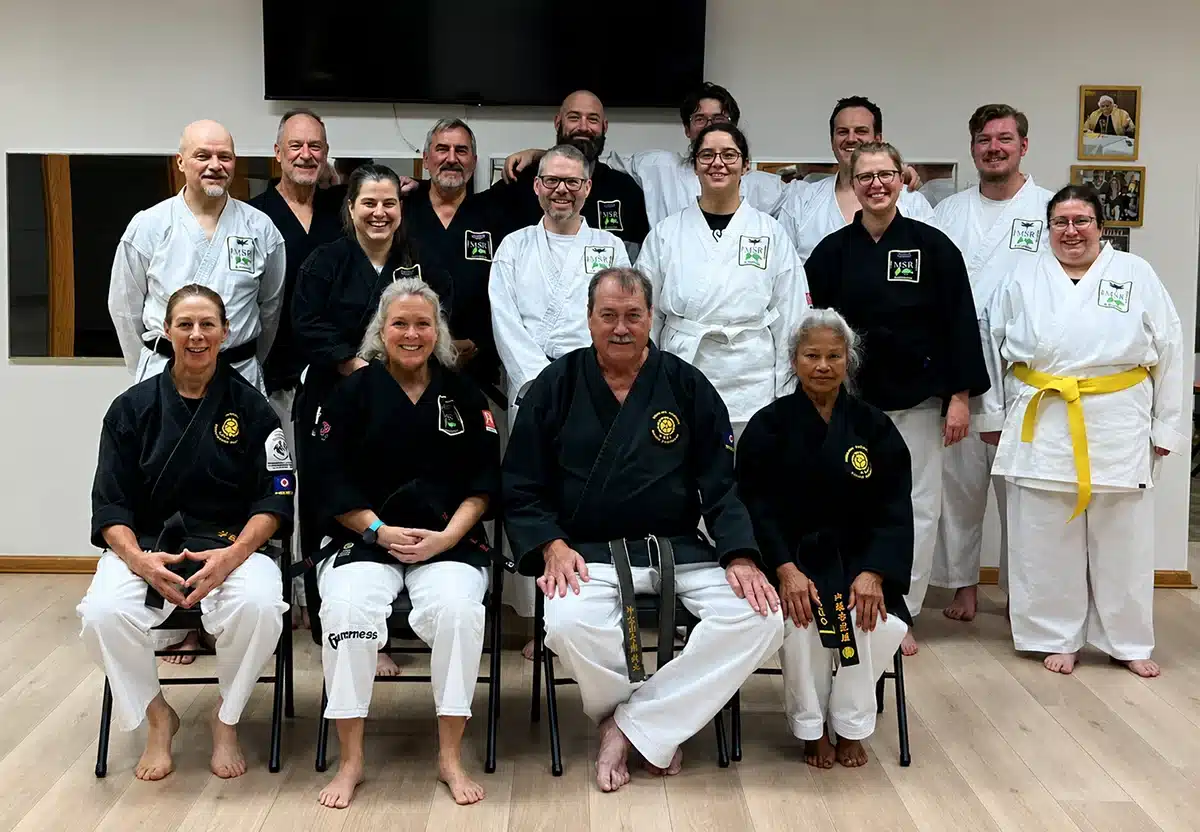
This idea is brought to life every time I train with my instructor, Sensei Morganne McDonald, at Midwest Shorin Ryu and Wellness. Her emphasis on discipline and humility reflects the heart of karate itself, captured in the words:

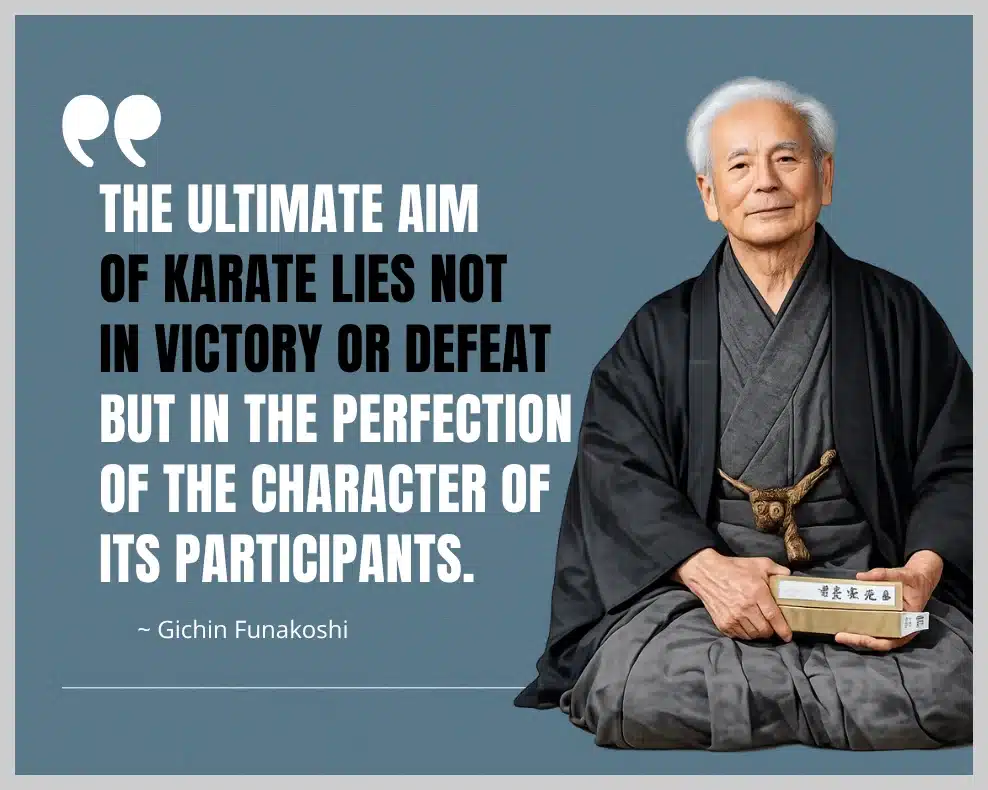
“The ultimate aim of karate lies not in victory or defeat, but in the perfection of the character of its participants.” – Gichin Funakoshi.

This focus on character continues to shape how I think about civility and leadership at work. It invites a deeper look at what respect truly means and why it belongs at the center of how we lead.
gichin funakoshi quote

The Meaning of Rei: Respect in Action

In karate, the word rei is often translated as “respect,” but it carries a deeper meaning.

Rei is not just a bow at the beginning or end of class.

It is a posture of humility, discipline, and awareness. It is the expectation that you will carry yourself with self-control and treat others with dignity, even in moments of conflict or pressure.

The lessons of Bushido describe rei this way: true warriors have no reason to be cruel.

They do not need to prove their strength. They show courtesy even to their opponents, and they are remembered not only for their skill but for how they carry themselves.

Rei is not only about how we treat others. It is also about the respect we show ourselves.

This inner respect creates steadiness, transparency, and authenticity. It is what allows a leader to respond rather than react, to listen before speaking, and to set a tone that others will follow.

In both karate and leadership, the absence of rei creates disorder.

Without respect, even the most talented teams struggle. Work becomes tense, communication breaks down, and people begin to protect themselves rather than support each other.

Rei brings the opposite effect. It establishes a foundation where trust can grow and where people feel safe enough to contribute, speak honestly, and do their best work.
dojo team midwest shorin-ryu

Turning Discipline Into Leadership

Respect is not a single action in the dojo or the workplace. It is something practiced over time and becomes a steadying force when challenges arise.

In leadership, this kind of discipline shows up in the way we listen, communicate, and handle conflict. It shapes how we carry ourselves when pressure rises and how we treat the people who rely on us.

This closely aligns with the SEAsoning framework we use at Full Sail Leadership Academy. Every strong leader develops three things over time:

  1. Skills: Respect strengthens everyday leadership skills, including clear communication, attentive listening, and healthy conflict management. These skills are simple in concept, but they require discipline and steady practice.
  2. Experience: Growth often comes through real moments where a leader must choose patience over reaction, clarity over assumption, and accountability over blame. These experiences shape how leaders respond when the next challenge appears.
  3. Authentic Attitudes: Respect influences a leader’s character. When leaders value humility and honesty, they create an environment where trust can take root. Teams feel seen, supported, and encouraged to contribute more fully.

When respect shapes a leader’s skills, experience, and attitude, it gives them a sense of steadiness. It allows them to guide their teams without relying on force or control.

4 Ways Leaders Can Practice Rei and Strengthen Civility at Work

Civility at work does not happen by accident. It grows from the small, intentional choices leaders make every day. Rei offers a simple framework for those choices. These four practices help leaders bring respect into ordinary interactions and create a culture where people feel valued and steady.

1. Begin Interactions With Awareness

Respect starts before a single word is spoken. When a leader pauses and considers their tone, body language, and intention, it sets the stage for a more civil and productive conversation. This simple moment of awareness helps prevent reactions driven by stress or frustration.

Starting from a place of calm attention allows leaders to listen more fully and respond with clarity. It also communicates something meaningful to the other person.

It shows that their perspective matters and that the conversation is worth approaching with care.

2. Lead With Calm Authority

Authority does not require force. In both the dojo and the workplace, the most trusted leaders are those who remain steady when circumstances become tense. Calm authority shows confidence without aggression and direction without pressure.

When leaders speak clearly and stay grounded, they create space for others to do the same. People feel safer sharing ideas, asking questions, and admitting when something is unclear.

Calm leadership encourages cooperation rather than fear, strengthening civility at work and keeping teams focused on solutions rather than stress.

3. Model Humility Under Pressure

Humility is one of the clearest expressions of respect.

When leaders are willing to admit mistakes, ask questions, or seek clarification, they show their teams that honesty is more valuable than perfection.

This kind of humility encourages others to be open as well.

Pressure often reveals a leader’s true habits. Choosing humility in difficult moments communicates steadiness and self-control. It also reduces defensiveness within the team.

People feel less afraid of blame and more willing to work together to solve the problem. Over time, this mindset strengthens civility at work and builds trust across the team.

4. End With Gratitude

Gratitude reinforces respect and reminds people that their efforts matter.

When leaders close a conversation, meeting, or project with a sincere acknowledgment of someone’s contribution, it strengthens connection and encourages ongoing civility at work.

This does not require grand statements. A simple thank you, paired with a specific observation about what someone did well, can shift the tone of an entire team.

Over time, gratitude helps people feel seen and valued, motivating them to bring their best to their work and to each other.

Lead With Respect. Build With Character.

Every class in the dojo begins and ends with a bow. It is a simple reminder that humility and gratitude are part of every stage of growth.

Leadership follows the same pattern.

When we start and finish with respect, we create the conditions where people can thrive, and teams can work with steadiness and trust.

At Full Sail Leadership Academy, we help leaders practice this discipline in meaningful, hands-on ways. Through experiential learning on land and on the water, teams learn how respect and connection strengthen both individuals and the organization as a whole.

If you want to strengthen respect and connection on your team, reach out to learn more about our leadership workshops and programs.

May 20, 2026/by Tim Dittloff
https://fullsailleadership.com/wp-content/uploads/2026/05/leadership-respect-workplace.webp 924 1640 Tim Dittloff https://fullsailleadership.com/wp-content/uploads/2019/04/full-sail-leadership-academy-logo-wht.png Tim Dittloff2026-05-20 12:33:072026-05-20 12:33:57Leadership Begins and Ends with Respect: 4 Ways My Dojo Teaches Civility at Work

Why Respect in the Workplace is the Secret to Positive Conflict

Team Building
respect workplace positive conflict(c) 2020 Full Sail Leadership Academy
4 min read

Respect: Everyone demands it but only the smartest leaders do what it takes to earn it.

Respect in the workplace starts at the top. If leadership doesn’t foster a culture of respect and dignity, why should team members feel compelled to reciprocate?

If you’re suffering from a complacent team and shriveling productivity, maybe it’s time to revisit respect across your team.

Millennials, for example, make up the largest generation in today’s workforce. When asked how leadership could improve their workplace, over 90% of working millennials said they just want their accomplishments recognized!

That just goes to show today’s leaders aren’t doing the bare minimum to earn their team’s respect.

It’s important to foster a culture of respect in the workplace where everyone feels valued and accountable. You can’t create a conflict-free team – nor should you try – but you can encourage healthy team conflict based on trust and respect.

Widespread Lack of Respect in the Workplace Undermines Your Work as a Leader

Imagine a ship where the captain doesn’t respect the crew and the crew doesn’t respect their fellow sailors. Sailors would ignore commands, neglect to share vital information, and lead the vessel to danger.

A lack of respect ripples across your team, dragging down productivity and engagement while creating negative conflict.

People don’t respect someone who hands down orders and disappears until it comes time to enforce them.

When a lack of respect plagues your workplace, trust disintegrates. Workers don’t trust each other nor their leaders. Major symptoms arise like:

  • Team members withhold vital information out of fear they’ll be punished.
  • Negative conflict leads to chronic fighting and unproductive disagreements.
  • People stop speaking up because no one listens to them.
  • Productivity and engagement nosedive. Poor respect, trust, and engagement create a negative feedback loop. The organization gets stuck reacting to problems and can’t focus on healthy growth.

You Can’t Demand Respect in the Workplace – You Must Earn It

Amazing leaders don’t think of themselves as parents managing children or tsars controlling subjects. The best leaders consider themselves the stewards of their team.

A steward is a caretaker. A steward leader doesn’t try to control their workers – he or she invests in their wellbeing. A steward leader knows respect should be mutual and earned. They lead by example, hold themselves accountable, and encourage honest discussions.

Respect starts at the top. As a leader, you’ll have to earn the respect you wish to receive – and it all starts with trust. If workers are used to being neglected, ignored, and punished, it will take some time.

Chronic trauma from negative conflict is sticky and people develop unhealthy coping methods to avoid future negative conflict. You’ll have to work tirelessly building trust to break down those coping strategies and foster widespread trust.

Why a Conflict-Free Team Shouldn’t Be Your Goal

Conflict-free workplaces don’t exist. Even if an organization appears conflict-free, that only means people’s voices are going unheard and neglected. A conflict-free environment means people have stopped speaking up.

Positive team conflict is vital. People voice their grievances and concerns with respect and the team addresses them together. People aren’t shouted down or punished for speaking their minds.

Positive Team Conflict Improves Psychological Safety

Fear is a tricky emotion. When people feel unsafe in their surroundings, their brain triggers fight-or-flight mode. Rational thinking shuts down, giving way to emotion-driven decisions.

Over time, fear erodes a person’s sense of safety. People can’t exist in fight-or-flight mode forever. Instead, their brain adapts with learned helplessness.

They say and do things to avoid trauma and conflict. They repress their true emotions.

To reverse these problems, your team must feel psychologically safe. Only when people feel psychologically safe will they feel comfortable enough to voice ideas and address grievances.

Positive Team Conflict Encourages Growth

When there’s no conflict, it means problems are bubbling below the surface just waiting for a spark to explode.  Think of a shoal that goes unseen by a sailing crew who is inattentive to the nautical charts and GPS. Both lead to disaster.

No one cares about meeting organizational goals – and why should they if the organization’s leadership doesn’t value their contribution?

When team members feel valued, appreciated, and respected, your organization can focus on addressing problems and growth.

Positive conflict digs you out of the reactive cycle. People feel invested in the wellbeing of the organization because leadership is invested in their individual wellbeing.

Trust Breeds Positive Team Conflict

It all starts with trust. Think of the last time someone wronged or betrayed you. Whoever it was no doubt had to earn back your trust. Maybe they didn’t change their behavior and never earned your trust back.

Leadership must show why the team should trust them. As we all know, just saying you’re sorry is never enough unless you make changes to show it. That’s why trust and respect must start at the top.

accountability workplace

Respect and Positive Team Conflict Lead to Better Accountability

It’s a positive cycle: Positive conflict breeds respect and accountability which encourages positive conflict.

When people have the entire organization’s best interests in mind, they voice concerns, problems, and ideas freely. People are held accountable – both for their good behavior and bad.

When team members and leadership are held accountable for mistakes AND recognized for achievements (with respect), that encourages trust.

pyschological safety workplace

Practice Respect and Effective Team Building on the Open Water

Trust and respect don’t happen overnight. Sailors must spend time learning with their fellow crew making mistakes, building communication, and growing.

The same is true of team building. Fostering a culture of open communication, respect, accountability, and positive conflict takes time. Leadership must first earn trust and respect.

Full Sail Leadership lets you chart the course towards growth and psychological safety on the open seas. Our workshops slash turnover rates, absenteeism, and poor productivity in a hands-on exciting environment.

Find out why a day on the water with Full Sail Leadership is exactly what your team needs to start its path towards growth!


October 12, 2020/by Tim Dittloff
https://fullsailleadership.com/wp-content/uploads/2020/10/respect-workplace-positive-conflict.jpg 630 1200 Tim Dittloff https://fullsailleadership.com/wp-content/uploads/2019/04/full-sail-leadership-academy-logo-wht.png Tim Dittloff2020-10-12 12:37:222025-07-30 10:50:06Why Respect in the Workplace is the Secret to Positive Conflict

Search Topics

Search Search

Categories

  • Employee Engagement (20)
  • Leadership Development (19)
  • Podcast (8)
  • Team Building (34)

Stay Connected

  • facebook
  • linkedin
full sail leadership academy logo

10 SIGNS YOUR ORGANIZATION IS LEAKING PROFITS

This field is for validation purposes and should be left unchanged.
Name

QUICK LINKS

OUR WORKSHOPS
GET CERTIFIED
MEET THE TEAM
REVIEW US ON GOOGLE
CONTACT US
PODCAST
OUR BLOG

CONNECT WITH US

  • facebook
  • linkedin
  • youtube
(c) 2025 FULL SAIL LEADERSHIP ACADEMY | TIM@FULLSAILLEADERSHIP.COM | PRIVACY POLICY | SITE BY JS-INTERACTIVE.COM
Scroll to top Scroll to top Scroll to top